
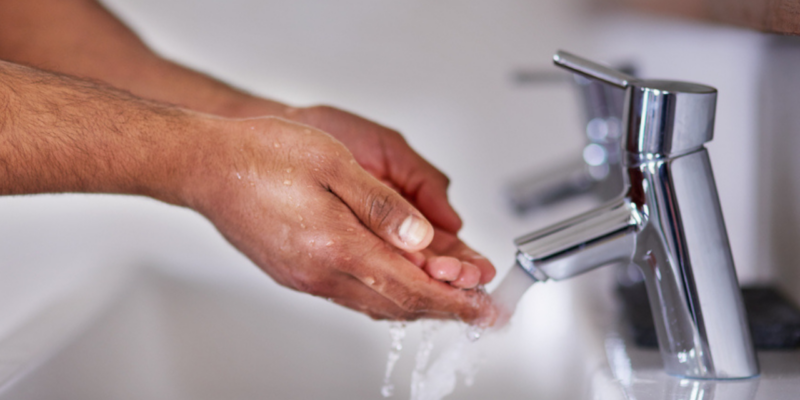
Global Handwashing Day, observed on October 15, can encourage better infection prevention for older adults by reminding families, caregivers, and senior care providers that proper handwashing is one of the simplest ways to reduce the spread of many germs. Older adults may be more vulnerable to complications from certain infections, making everyday hygiene especially important. Regular handwashing, cleaner frequently touched surfaces, appropriate vaccinations, and attention to symptoms can all be parts of a broader infection prevention approach.
Why Is Infection Prevention Especially Important for Older Adults?
The immune system changes with age, and some older adults may have chronic health conditions or other factors that increase their risk of becoming seriously ill from certain infections.
Older adults may also have frequent contact with family members, caregivers, healthcare professionals, and visitors. Each interaction can provide another opportunity for germs to spread.
Common illnesses of concern may include respiratory infections, gastrointestinal illnesses, and other infections that can sometimes cause more serious problems for older adults.
Good hand hygiene cannot prevent every illness, but it can help reduce the spread of many germs.
When Should Older Adults and Caregivers Wash Their Hands?
Handwashing should become part of normal daily routines rather than something people remember only when someone is sick.
Important times can include:
- Before preparing or eating food
- After using the bathroom
- After coughing, sneezing, or blowing the nose
- After helping someone with personal care
- Before and after certain caregiving activities
- After handling garbage
- After returning home from public places
- After touching potentially contaminated surfaces
- Before handling certain medical supplies
Caregivers should follow any additional infection-control procedures required by their employer, healthcare professional, or care setting.
What Is the Proper Way to Wash Hands?
Effective handwashing requires more than quickly placing hands under running water.
A common approach is to wet the hands with clean running water, apply soap, and thoroughly rub the hands together.
Remember areas that are easy to miss, including:
- Backs of the hands
- Between the fingers
- Around the thumbs
- Fingertips
- Under the nails
- Around the wrists
Hands should generally be scrubbed with soap for at least 20 seconds before being rinsed and dried.
When soap and water are not readily available, an appropriate alcohol-based hand sanitizer can be useful in many situations. However, sanitizer is not a complete substitute for handwashing in every circumstance.
How Can Family Caregivers Improve Hand Hygiene?
Family caregivers often perform many tasks during a single visit.
Someone might prepare lunch, help with personal care, handle laundry, clean the kitchen, and assist with medications or mobility equipment.
Hand hygiene should be considered when moving between activities where contamination could occur.
Families can make good habits easier by keeping soap and clean towels available and ensuring sinks are accessible.
Hand sanitizer may also be kept in convenient locations when appropriate, but it should be stored safely and used according to product instructions.
How Can Professional Caregivers Help?
Home care agencies and other senior care providers can use Global Handwashing Day as an opportunity to reinforce good hygiene practices.
Organizations might review:
- Caregiver training
- Handwashing procedures
- Availability of supplies
- Infection-prevention policies
- Cleaning practices
- Staff education
- Client and family education
Training should explain not only what employees are expected to do but also why those practices matter.
Senior care organizations should follow applicable infection-control requirements and professional guidance for their specific type of care.
Why Do Frequently Touched Surfaces Matter?
Hands can pick up germs from surfaces and then transfer them elsewhere.
Frequently touched areas around the home may include:
- Door handles
- Light switches
- Faucets
- Countertops
- Phones
- Remote controls
- Refrigerator handles
- Mobility equipment
- Bathroom fixtures
Regular cleaning of appropriate surfaces can be another part of infection prevention.
Cleaning products should always be used according to their instructions. Families should be particularly careful about mixing household cleaning products because some combinations can produce dangerous fumes.
How Can Visitors Help Protect Older Adults?
Visitors can also support good infection prevention.
Someone who has symptoms of a contagious illness may need to postpone a visit or take other appropriate precautions depending on the circumstances.
Visitors can wash their hands when they arrive and follow any infection-prevention procedures recommended by the household, healthcare provider, or senior care setting.
Families do not need to make social interaction frightening or overly complicated.
The goal is to develop reasonable habits that allow older adults to remain connected while reducing avoidable exposure to illness.
Why Is October a Good Time to Review Infection Prevention?
Global Handwashing Day occurs during October, when fall is underway in many parts of the country.
People may begin spending more time indoors as temperatures become cooler. The upcoming holiday season can also mean more family gatherings, travel, visitors, and social activities.
Respiratory illnesses also tend to become a greater concern during fall and winter.
October is therefore a practical time to check supplies, review hygiene habits, discuss appropriate vaccinations with healthcare professionals, and prepare for upcoming gatherings.
What Symptoms Should Families Take Seriously?
Handwashing helps with prevention, but families should also pay attention when an older adult becomes ill.
New or worsening symptoms should not automatically be dismissed as a normal part of aging.
Depending on the situation, concerning changes might include fever, unusual weakness, breathing problems, confusion, dehydration, persistent vomiting or diarrhea, or a sudden decline in normal functioning.
Families should contact an appropriate healthcare professional for guidance about concerning symptoms. Severe breathing difficulty, loss of consciousness, or other signs of a medical emergency require immediate medical attention.
Is Handwashing Enough to Prevent Infection?
No. Handwashing is important, but it is only one part of infection prevention.
Depending on individual circumstances and professional recommendations, other measures may include appropriate vaccinations, food safety, cleaning, respiratory hygiene, wound care, adequate nutrition, and avoiding unnecessary exposure to people who are ill.
Older adults with specific medical conditions may also need additional precautions recommended by their healthcare providers.
How Can Global Handwashing Day Create Better Year-Round Habits?
Global Handwashing Day should not be limited to October 15.
Instead, it can serve as an annual reminder for older adults, families, caregivers, and senior care organizations to review everyday infection-prevention habits.
Small actions performed consistently can make a meaningful difference. Keeping soap available, washing hands at appropriate times, cleaning frequently touched surfaces, and paying attention to symptoms are practical steps that can become part of normal routines.
By using Global Handwashing Day to strengthen these habits, families and caregivers can help create a cleaner environment and support the health and well-being of older adults throughout the year.
Legal Disclaimer: This post is strictly for educational use and should not be construed as professional advice (medical, legal, financial, or otherwise).