
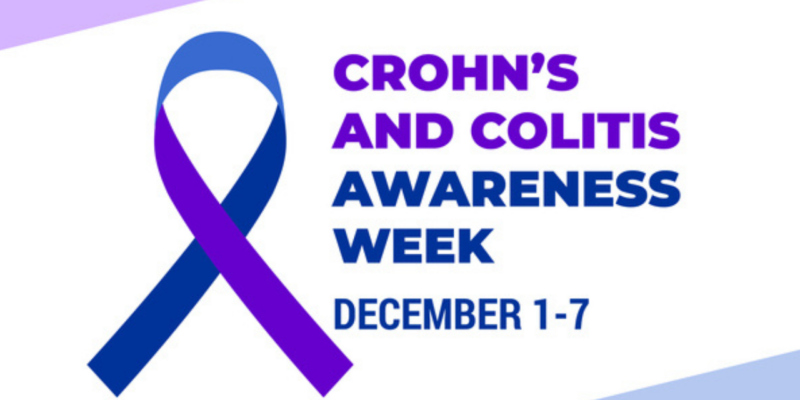
Crohn’s and Colitis Awareness Week, observed December 1–7, reminds older adults that persistent digestive symptoms should not be dismissed as a normal part of aging. Ongoing diarrhea, abdominal pain, unexplained weight loss, and changes in bowel habits may indicate an underlying digestive condition that requires medical attention. Although these symptoms can have several causes, they may sometimes be associated with inflammatory bowel disease (IBD), including Crohn’s disease and ulcerative colitis. Recognizing warning signs and seeking timely medical evaluation can help older adults receive appropriate care.
What Is Crohn’s and Colitis Awareness Week?
Crohn’s and Colitis Awareness Week promotes understanding of inflammatory bowel diseases and their effects on everyday life.
Crohn’s disease and ulcerative colitis are chronic conditions involving inflammation in the digestive tract.
Although these conditions are often diagnosed in younger adults, they can also develop or remain active later in life.
For older adults, awareness is particularly important because digestive symptoms may be mistaken for medication side effects, dietary changes, or ordinary aging.
The observance encourages individuals to recognize ongoing symptoms and discuss concerns with healthcare professionals.
What Is the Difference Between Crohn’s Disease and Ulcerative Colitis?
Crohn’s disease and ulcerative colitis are the two main forms of inflammatory bowel disease.
Crohn’s disease can affect different parts of the digestive tract, from the mouth to the anus. Inflammation may extend through multiple layers of the intestinal wall.
Ulcerative colitis affects the large intestine and rectum. Inflammation primarily involves the inner lining of the colon.
Both conditions can cause digestive discomfort and changes in bowel habits.
However, symptoms and treatment needs vary between individuals.
A healthcare professional must evaluate symptoms and perform appropriate testing to establish a diagnosis.
What Digestive Symptoms Should Older Adults Watch For?
Occasional digestive discomfort is common, but persistent or recurring symptoms deserve attention.
Warning signs may include:
- Frequent or ongoing diarrhea
- Abdominal pain or cramping
- Blood in the stool
- Unexplained weight loss
- Reduced appetite
- Persistent fatigue
- Urgent bowel movements
- Changes in usual bowel habits
Some individuals may also experience symptoms outside the digestive system, including joint discomfort or certain skin and eye problems.
These symptoms do not automatically indicate inflammatory bowel disease.
However, they should be discussed with a healthcare professional, particularly when they continue or worsen.
Why Should Older Adults Avoid Dismissing Digestive Changes?
Digestive symptoms can develop for many reasons.
Possible causes include infections, medication effects, food intolerances, constipation, and other gastrointestinal conditions.
Inflammatory bowel disease is another possibility.
Older adults may delay discussing symptoms because they feel embarrassed or assume digestive changes are unavoidable with age.
However, persistent symptoms can affect nutrition, hydration, comfort, and daily activities.
Medical evaluation can help identify the cause and determine whether treatment is necessary.
How Can Inflammatory Bowel Disease Affect Nutrition?
Chronic digestive inflammation may interfere with normal eating habits and nutrient absorption.
Some individuals experience reduced appetite, diarrhea, or difficulty maintaining a healthy weight.
Depending on the condition and affected areas of the digestive tract, nutritional deficiencies may develop.
Older adults should pay attention to unexplained weight changes and ongoing difficulties with eating.
A healthcare professional or registered dietitian can recommend an appropriate nutrition plan.
Restrictive diets should not be started without guidance, especially when there is a risk of inadequate nutrition.
Why Is Dehydration a Concern for Older Adults?
Persistent diarrhea can cause the body to lose fluids and electrolytes.
Older adults may be especially vulnerable to dehydration because of changes in thirst, medication use, or existing health conditions.
Possible warning signs include:
- Dry mouth
- Increased thirst
- Dark urine
- Reduced urination
- Dizziness
- Unusual weakness
- Confusion
Severe dehydration requires prompt medical attention.
Older adults with heart disease, kidney disease, or fluid restrictions should follow individualized medical advice about fluid intake.
Can Medications Affect Digestive Symptoms?
Many older adults take medications for chronic health conditions.
Some prescription and over-the-counter medicines can cause diarrhea, constipation, nausea, or abdominal discomfort.
Certain medications may also affect the management of inflammatory bowel disease.
For this reason, healthcare professionals should review a patient’s complete medication list when evaluating digestive symptoms.
Older adults should not stop prescribed medications or change doses without medical guidance.
A pharmacist or healthcare professional can help identify possible medication-related concerns.
How Do Doctors Diagnose Crohn’s Disease and Ulcerative Colitis?
Diagnosing inflammatory bowel disease generally involves reviewing symptoms, medical history, and test results.
A healthcare professional may recommend:
- Blood tests
- Stool tests
- Colonoscopy
- Tissue biopsies
- Imaging studies
- Additional digestive evaluations
These tests help distinguish inflammatory bowel disease from infections and other conditions.
Older adults may require special consideration when preparing for certain procedures because of existing medical conditions or medications.
The healthcare team can explain the benefits and risks of recommended testing.
What Treatment Options Are Available?
Treatment depends on the type of inflammatory bowel disease, symptom severity, and individual health needs.
Medical management may include medications that reduce inflammation or help control immune system activity.
Some individuals may require additional nutritional support or surgery.
Older adults may need careful treatment planning because of other medical conditions and possible medication interactions.
Treatment decisions should be made with a qualified healthcare professional.
The goal is to control inflammation, manage symptoms, and support quality of life.
How Can Families Support Older Adults With Digestive Conditions?
Family members and caregivers can provide practical support while respecting privacy and independence.
Helpful actions include:
- Encouraging open conversations about symptoms
- Helping schedule medical appointments
- Supporting prescribed treatment routines
- Assisting with grocery shopping and meal preparation
- Monitoring concerning changes when appropriate
- Helping maintain access to bathrooms
- Providing transportation when needed
Digestive conditions can be uncomfortable and emotionally stressful.
Families should avoid making assumptions about symptoms or offering unproven treatments.
When Do Digestive Symptoms Require Immediate Medical Attention?
Some digestive symptoms require urgent evaluation rather than waiting for a routine appointment.
Warning signs include severe abdominal pain, heavy rectal bleeding, black or tarry stools, fainting, or signs of significant dehydration.
A swollen abdomen accompanied by severe pain or repeated vomiting may also indicate a serious problem.
Older adults experiencing these symptoms should seek urgent medical care.
For persistent but less severe symptoms, arranging a timely appointment with a healthcare professional is appropriate.
Early evaluation can help identify treatable causes and prevent avoidable complications.
How Can Older Adults Manage Daily Life With Digestive Symptoms?
Living with a chronic digestive condition may require adjustments to everyday routines.
Older adults can work with healthcare professionals to develop practical strategies.
These may include keeping track of symptoms, identifying individual food triggers, following prescribed medications, and planning convenient bathroom access.
Maintaining social connections and enjoyable activities is also important.
Support groups and educational programs may provide additional opportunities to learn from others facing similar challenges.
However, treatment and dietary decisions should remain individualized.
Why Is Crohn’s and Colitis Awareness Important Beyond December?
Crohn’s and Colitis Awareness Week provides a timely reminder to pay attention to digestive health, but persistent symptoms deserve attention throughout the year.
Older adults should not assume that recurring diarrhea, abdominal pain, or unexplained weight loss is simply part of getting older.
These symptoms may have several possible causes, and proper evaluation is necessary to determine the underlying problem.
Families and caregivers can help by encouraging respectful conversations, supporting medical appointments, and recognizing changes that may require attention.
Understanding inflammatory bowel disease can help older adults make informed healthcare decisions and seek appropriate support.
By recognizing warning signs and working with qualified healthcare professionals, older adults can take meaningful steps toward managing digestive symptoms and maintaining their comfort, nutrition, and quality of life.
Legal Disclaimer: This post is strictly for educational use and should not be construed as professional advice (medical, legal, financial, or otherwise).